A window is no longer just a transparent barrier between indoors and outdoors. In today’s high-performance buildings, it has become a critical component that affects energy efficiency, indoor comfort, and long-term building value. However, many properties still rely on traditional aluminium windows that offer durability and modern aesthetics but struggle to control heat transfer, creating unnecessary energy losses throughout the year.
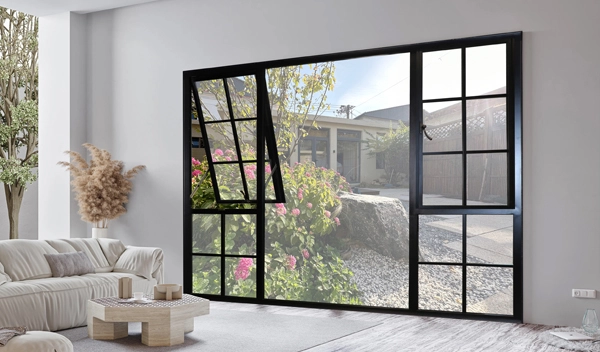
This performance challenge has changed the way architects, developers, and property owners evaluate window systems. Instead of selecting frames based only on appearance and structural strength, more projects are turning to the thermal break casement window as a solution that combines the proven advantages of aluminium with advanced insulation technology. By adding a thermal barrier between the inner and outer aluminium profiles, these windows help reduce heat exchange and create a more stable indoor environment.
The increasing adoption of aluminium thermal break system windows represents a wider transformation in modern construction. Buildings are now expected to deliver better energy performance, improved occupant comfort, and long-term operational efficiency. For projects comparing different window structures and applications, Jolong’s aluminium window and door solutions provide practical references for selecting suitable systems based on architectural requirements.
Traditional aluminium windows have remained popular in residential and commercial construction for many years due to their excellent strength, corrosion resistance, low maintenance requirements, and contemporary appearance. Aluminium profiles can support large glass areas while maintaining a slim and elegant design, making them suitable for various architectural styles.
However, the same property that makes aluminium structurally reliable also creates a thermal challenge. Aluminium is a highly conductive material, which means heat can easily pass through conventional frames. Without additional insulation measures, traditional aluminium windows may become a weak point in the overall building envelope.
During hot seasons, conventional aluminium frames can transfer outdoor heat into indoor spaces, increasing cooling requirements and energy consumption. In colder environments, heat generated inside the building can escape through the window frame, reducing heating efficiency and affecting indoor comfort.
As modern buildings focus more on sustainability, energy conservation, and improved living environments, traditional aluminium windows often struggle to meet higher performance expectations. This has encouraged wider adoption of aluminium thermal break system windows, which are designed to overcome the thermal limitations of standard aluminium systems.
| Performance Aspect | Traditional Aluminium Windows | Thermal Break Casement Windows |
|---|---|---|
| Thermal insulation | Direct aluminium connection allows faster heat transfer | Thermal barriers reduce heat transmission through the frame |
| Energy efficiency | Higher heating and cooling demand may be required | Helps maintain more stable indoor temperatures |
| Indoor comfort | Greater temperature differences around window areas | Creates a more balanced indoor environment |
| Condensation control | Higher possibility when temperature differences occur | Improved resistance to condensation issues |
| Application suitability | Suitable for standard construction projects | Designed for modern energy-efficient buildings |
The key innovation behind a thermal break casement window is the integration of an insulating barrier between the internal and external aluminium sections. This barrier interrupts the direct pathway of heat transfer and allows the window system to achieve improved thermal performance compared with traditional aluminium frames.
Instead of allowing indoor and outdoor temperatures to influence each other through a continuous aluminium structure, thermal break technology creates an insulating zone that slows down heat movement. This helps reduce heat loss during colder periods and limits unwanted heat gain during warmer seasons.
The improved thermal performance of aluminium thermal break system windows helps buildings maintain more consistent indoor temperatures. As a result, heating and cooling systems can operate more efficiently, supporting lower energy consumption and improved building performance.
For architects and developers, this technology offers a practical balance between aesthetics and functionality. It allows aluminium frames to maintain their strength, durability, and modern appearance while achieving the insulation performance required for contemporary buildings.
Beyond thermal insulation, thermal break technology also improves the reliability of window systems under changing environmental conditions. By reducing temperature differences within the frame structure, it helps create a more stable and durable window solution for long-term applications.
Although thermal insulation is one of the most recognized advantages, aluminium thermal break system windows also provide important structural benefits that make them suitable for demanding architectural applications. These systems maintain the proven durability of aluminium while adding improved thermal performance.
Aluminium naturally provides excellent mechanical strength and dimensional stability. It can withstand environmental changes while maintaining its shape and performance over long service periods. Compared with materials that may expand, shrink, or deform significantly, aluminium offers reliable structural consistency for modern buildings.
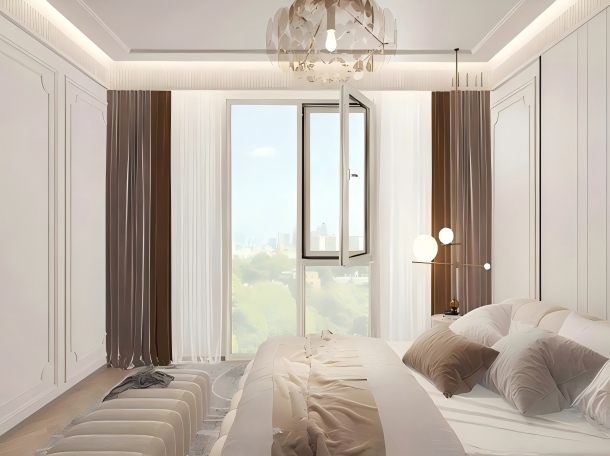
When combined with thermal break technology, aluminium frames achieve a better balance between strength and insulation. A well-designed thermal break casement window can support larger glass areas, modern slim-profile designs, and various architectural styles while maintaining structural integrity.
Another important advantage is design flexibility. Aluminium thermal break system windows are available in different configurations, finishes, and styles, allowing architects to achieve visual goals without sacrificing performance. This makes them suitable for residential developments, office buildings, hotels, commercial facilities, and other projects where appearance and functionality must work together.
For modern architecture, the combination of aluminium strength and thermal break performance provides a future-oriented window solution that meets both aesthetic and practical requirements.
The benefits of a thermal break casement window extend far beyond energy efficiency. Window systems directly influence how occupants experience indoor spaces, especially in buildings where people spend significant amounts of time.
Traditional aluminium windows may create noticeable temperature differences near window areas. During winter, colder frame surfaces can reduce comfort around windows, while in summer, heat transferred through the frame may increase indoor temperatures and create uncomfortable hot spots.
Thermal break technology helps minimize these problems by reducing the connection between outdoor temperature changes and indoor conditions. The improved insulation performance of aluminium thermal break system windows helps maintain more stable indoor temperatures throughout different seasons.
In addition, when combined with suitable glazing solutions, a thermal break casement window can contribute to better overall building performance by improving the insulation of the window area. This creates a more comfortable environment for homes, workplaces, and commercial spaces.
As people increasingly expect buildings to provide healthier and more comfortable environments, high-performance window systems have become an important part of modern architectural design.
The requirements for modern buildings have changed significantly. Today’s projects are expected to achieve more than structural reliability. They must also support energy efficiency, environmental goals, occupant comfort, and long-term value.
This shift has increased demand for aluminium thermal break system windows among architects and developers. These systems provide the design freedom of aluminium while helping projects achieve better insulation performance and improved building efficiency.
Architects appreciate thermal break solutions because they allow greater creativity in façade design without compromising functional requirements. Slim aluminium profiles, large glass surfaces, and modern finishes can be combined with improved thermal performance to create attractive and efficient buildings.
Developers also recognize that high-performance window systems can improve property value. Better indoor comfort, reduced energy demand, and stronger building performance can create long-term benefits for both owners and occupants.
Jolong provides advanced aluminium window solutions designed for different architectural applications. By combining practical experience with reliable window technologies, Jolong helps customers evaluate suitable systems based on project requirements, environmental conditions, and design expectations.
As sustainable construction continues to influence the future of architecture, the role of advanced window systems will become increasingly important. The adoption of the thermal break casement window reflects a broader movement toward buildings that are more efficient, comfortable, and environmentally responsible.
Upgrading from traditional aluminium windows to a thermal break casement window system requires careful evaluation of several factors. The best solution depends on climate conditions, building type, glazing selection, and expected performance requirements.
Thermal performance should be one of the first considerations. Different regions experience different weather conditions, so window systems should be selected according to local environmental requirements. A suitable combination of frame design and glazing configuration is essential for achieving the expected insulation performance.
The quality of installation is another important factor. Even advanced aluminium thermal break system windows require proper installation to deliver their designed performance. Correct sealing, accurate positioning, and professional integration with the building structure all influence long-term results.
Project owners should also consider the overall application requirements, including appearance, ventilation needs, maintenance expectations, and building usage. Selecting the right window system at the planning stage can help avoid performance issues and improve the long-term value of the investment.
Working with an experienced supplier can make the selection process more efficient, especially for projects involving specific technical requirements. If you need assistance evaluating suitable solutions, Jolong’s window solution specialists can provide further information according to your project needs.
Traditional aluminium windows continue to be widely used because of their durability, strength, and modern appearance. However, increasing expectations for energy efficiency and indoor comfort have highlighted the limitations of conventional aluminium systems.
A thermal break casement window provides a more advanced approach by combining the structural advantages of aluminium with improved insulation technology. Through the use of thermal barriers, these systems help reduce heat transfer, improve indoor comfort, and support more efficient building operation.
For architects, developers, and property owners seeking long-term performance, aluminium thermal break system windows represent a practical upgrade from traditional aluminium solutions. With suitable design, quality materials, and professional installation, thermal break technology helps create buildings that deliver better comfort, efficiency, and future-ready performance.
A thermal break casement window is an aluminium window system that uses an insulating barrier between aluminium profiles to reduce heat transfer and improve energy efficiency.
Traditional aluminium windows allow heat to transfer directly through the frame, while thermal break windows use insulating materials to reduce thermal conduction and improve insulation performance.
Yes. Aluminium thermal break system windows are designed to improve insulation performance and can be used in both hot and cold climate environments.
No. Thermal break casement windows generally require similar maintenance to traditional aluminium windows while providing improved thermal performance.
Yes. Thermal break windows help maintain more stable indoor temperatures and reduce uncomfortable temperature differences near window areas.
Architects choose aluminium thermal break system windows because they combine aluminium durability, modern aesthetics, design flexibility, and improved energy efficiency for contemporary buildings.