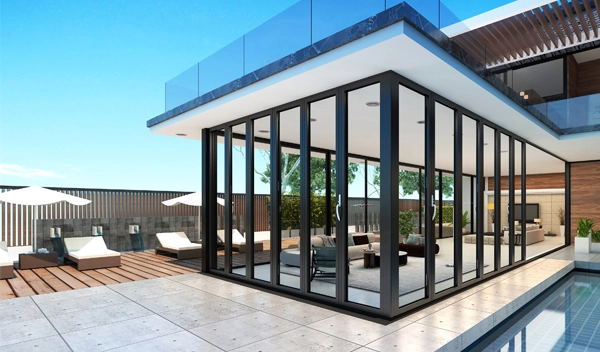
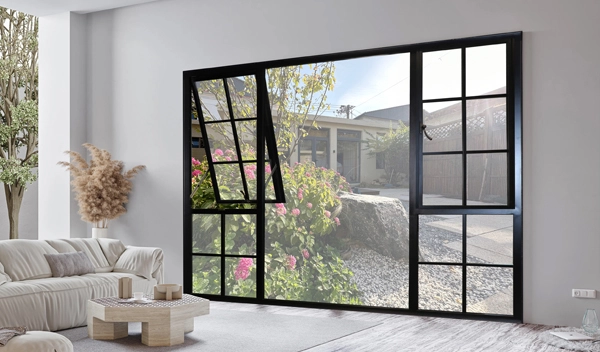
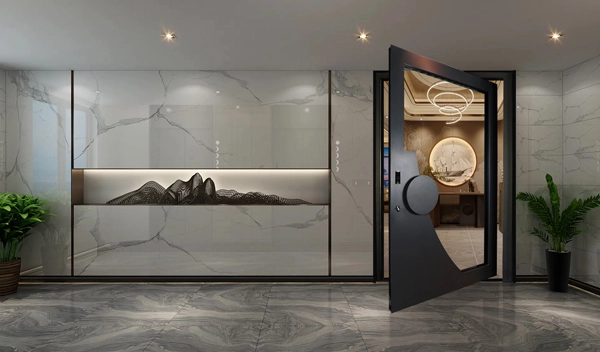
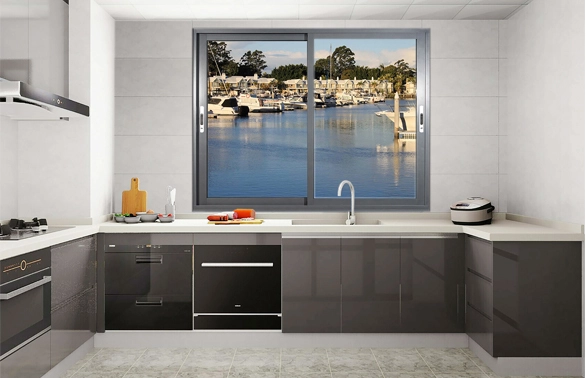
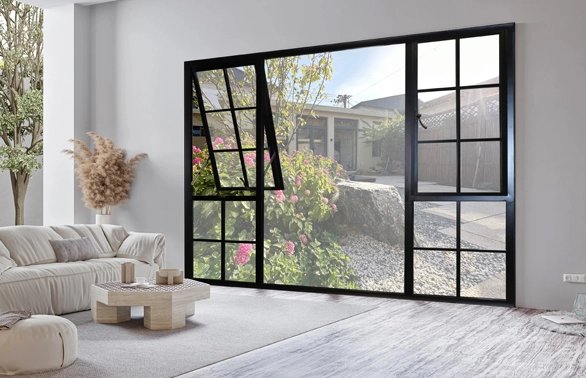
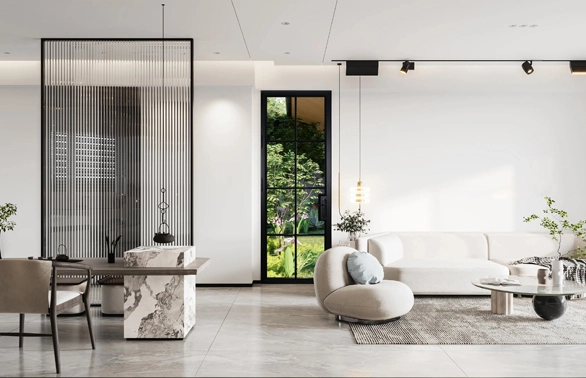
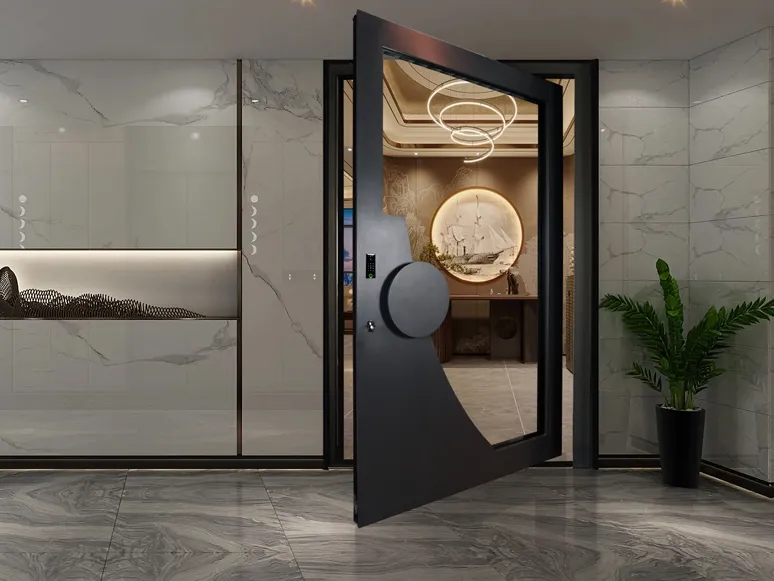
Bi-fold doors have become the gold standard for modern living spaces, with their ability to seamlessly merge indoor and outdoor areas. Among available options, alu clad bifold doors — combining aluminium exteriors with timber interiors — have long been praised for their aesthetic and thermal qualities. However, there's a new contender in the market that challenges traditional alu clad systems: Thermal Break Aluminium Bi-Fold Doors.
This article explores why thermal break technology is revolutionizing home insulation and how it's emerging as a more durable, efficient, and cost-effective alternative. Let’s dive in.
Everyone dreams of filling their living space with natural light and spectacular views, but there's a hidden challenge when it comes to large-format glass walls or doors. Without the right materials, these stylish additions can become energy inefficiencies. Here's the reality:
In summer, substandard doors turn into “giant radiators,” overheating your home.
In winter, they act like a “freezer block,” leaking out valuable heat.
For years, alu clad bifold doors have been a popular solution for homeowners looking for better insulation and aesthetics. But not everyone is a fan of the ongoing maintenance needed for timber or the higher installation costs of alu clad systems.
Enter thermal break aluminium doors, which deliver similar – and in many cases superior – thermal performance without the drawbacks. Here's why they're quickly becoming the ultimate choice for energy-conscious homeowners.
Have you ever wondered why some metal objects feel ice-cold in winter yet scorchingly hot in summer? That's due to thermal conductivity, where metals like aluminium transfer heat (or cold) very easily. This is where thermal break technology comes to the rescue.
Thermal break technology employs an insulating material — typically a polyamide strip — to physically separate the inside layer of aluminium from the outside layer. This prevents heat or cold from transferring between your home's interior and the outdoor environment.
Think of it as a thermal flask for your home: just as the vacuum layer in a thermos keeps your drink piping hot or ice-cold, the polyamide layer prevents internal temperatures from escaping or external ones from entering.
Preventing Heat Loss: Cutting down on thermal transfer reduces heating costs during winter.
Summer Comfort: Stops outdoor heat from penetrating indoors, reducing air-conditioning expense.
Energy Savings: A well-insulated door means a more energy-efficient building and, ultimately, lower bills for you.
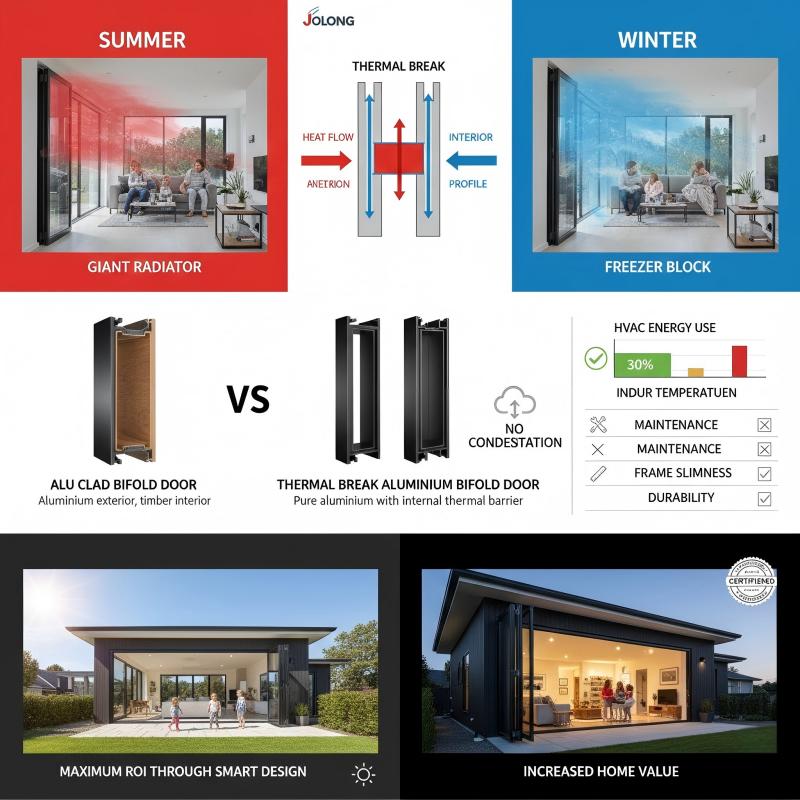
Both alu clad bifold doors and thermal break aluminium bi-fold doors bring unique strengths to the table. However, when comparing the two, the numbers reveal some compelling points. Here’s a quick breakdown:
| Feature/Factor | Alu Clad Bifold Doors | Thermal Break Aluminium Bifold Doors |
|---|---|---|
| Material | Aluminium exterior, timber interior | Pure aluminium with internal thermal barrier |
| Maintenance | Requires periodic treatment to prevent rotting, warping, or cracking. | No painting or treatments needed; corrosion-resistant |
| Slim Profile & Aesthetic | Thicker frames, reducing glass area and views. | Ultra-slim frames for maximized glass space. |
| Thermal Performance (U-Values) | Excellent thermal insulation with timber interior | Comparable performance with advanced thermal breaks. |
| Durability in Harsh Climates | Prone to issues in humid, coastal locations | Resistant to moisture and salt corrosion. |
Traditional doors without insulation create significant temperature discrepancies, forcing your air conditioning or heating system to work overtime. Thermal break aluminium bi-fold doors, however:
Maintain consistent indoor temperatures.
Reduce HVAC energy usage by up to 30%, leading to substantial savings on your energy bills.
Condensation is a common issue with ill-equipped door systems, especially in colder months. The temperature difference between your home's warm interior and the cold external environment causes water to collect on your doors. Thermal break frames:
Prevent surface condensation, reducing the chance of mold buildup.
Protect structural integrity by avoiding prolonged moisture exposure within door frames.
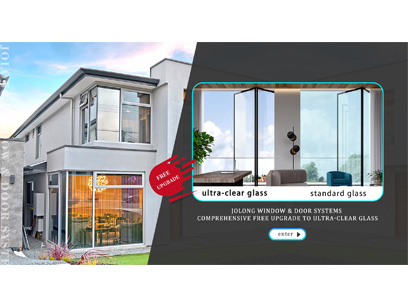
High-quality thermal break aluminium doors, like those offered at Jolong, are equipped with advanced sealing systems:
EPDM gaskets ensure a tight seal.
Anti-draft, multi-point locking systems keep cold air and drafts out.
Result? Fewer leaks, higher energy efficiency, and consistent indoor comfort.
Choosing a high-quality door system is just one piece of the puzzle. How and where you install it can also influence its performance. Consider these tips:
South-Facing Installations: These doors capture abundant sunlight. Using Low-E glass coatings with thermal break aluminium frames will reduce solar heat gains while maintaining excellent natural light flow.
North-Facing Installations: Focus on minimizing heat loss during colder months. Thermal frames combined with triple glazing may deliver the best ROI in this scenario.
To reap the full energy-saving benefits of thermal break technology, proper installation is essential. Gaps or incorrect alignment can compromise even the best systems, so ensure a trusted professional handles your project.
While alu clad bifold doors have historically been seen as the gold standard in thermal performance and aesthetics, thermal break aluminium bifold doors are redefining what's possible for energy-efficient, low-maintenance, and modern exterior designs.
Yes, the upfront cost may be higher than “standard” aluminium doors, but the investment pays for itself over time through reduced heating and cooling bills, increased home value, and a sleek appearance that stands apart.
Ready to future-proof your home and upgrade to the next level of sophistication? Explore our range of high-performance aluminium bi-folding doors today.
A: Not with thermal breaks. High-quality thermal break aluminium doors isolate indoor and outdoor temperatures, ensuring your home remains comfortable year-round.
A: It depends on your priorities. Alu clad doors offer excellent performance, but they require more maintenance and may not be suitable for humid or coastal locations. Thermal break aluminium doors are generally more durable, require no maintenance, and deliver similar or superior energy efficiency.
A: With reduced energy loss and HVAC strain, homeowners have reported up to 30% reductions in heating and cooling costs.