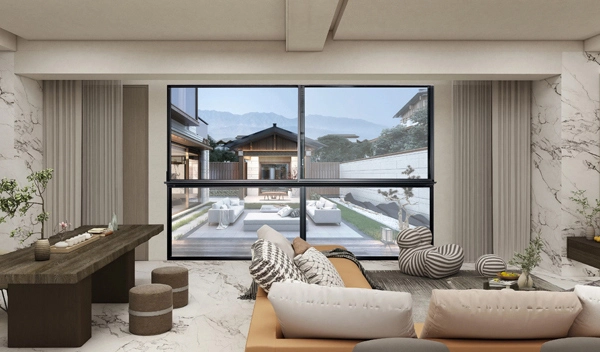
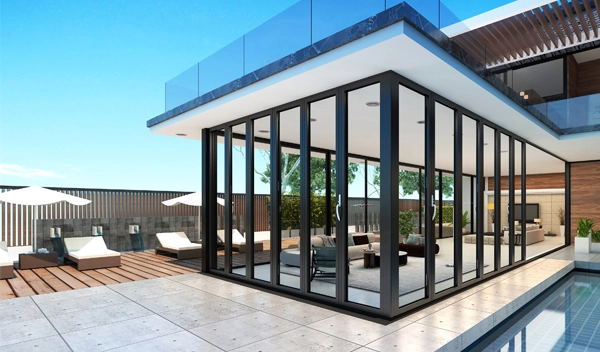
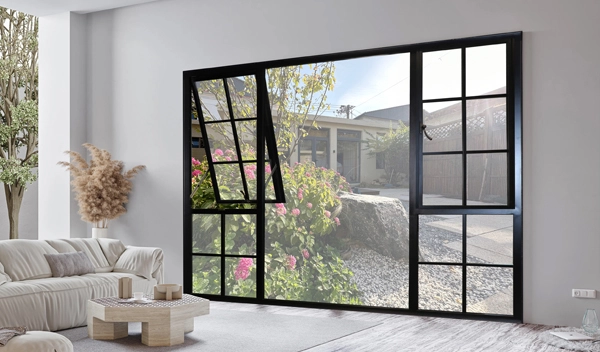
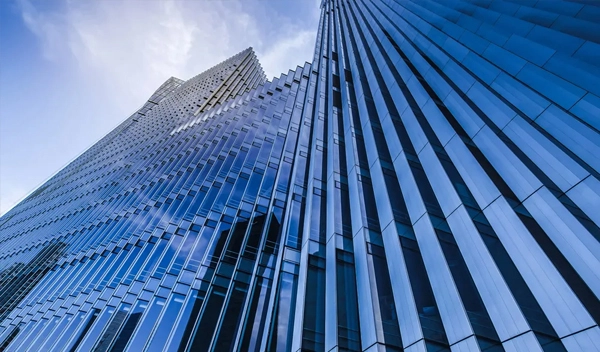
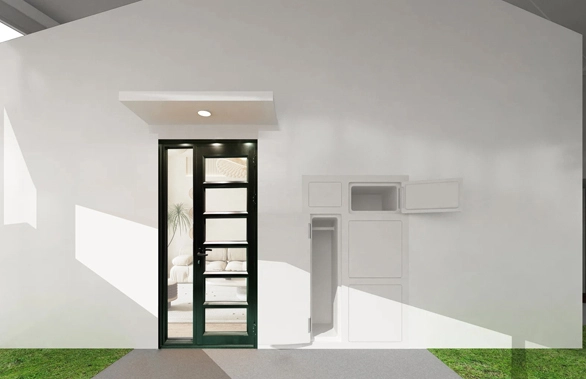
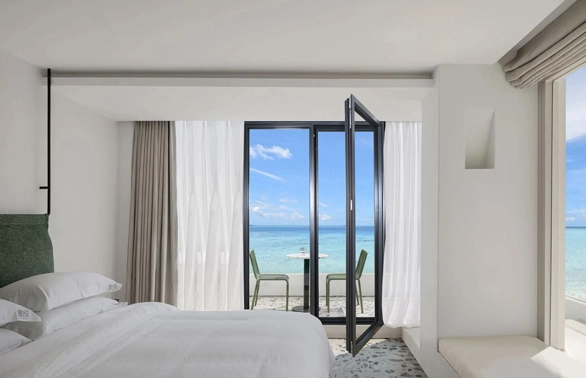
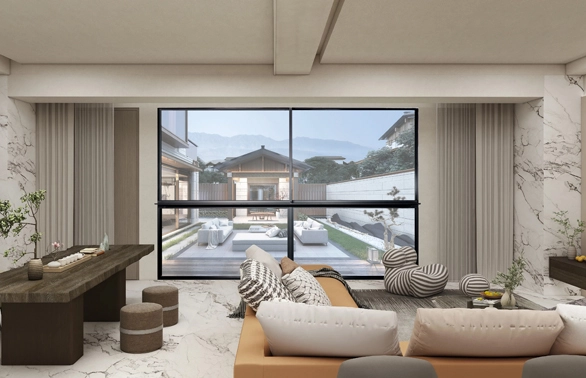
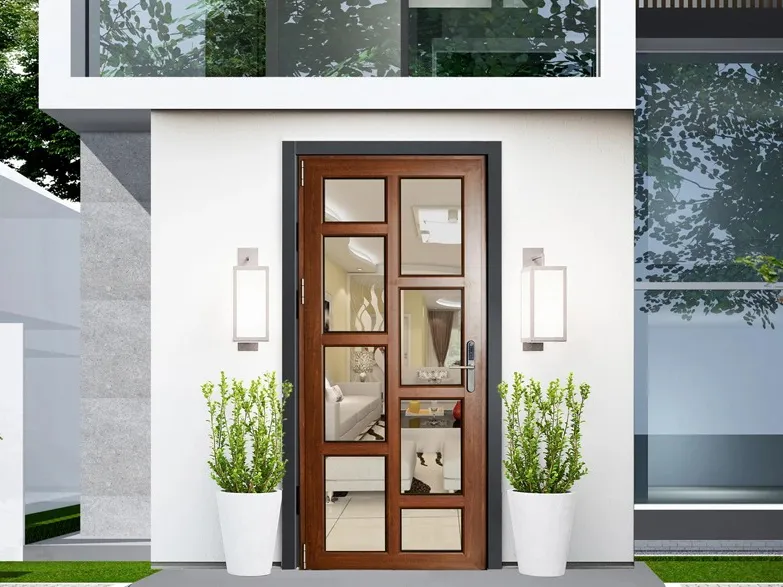
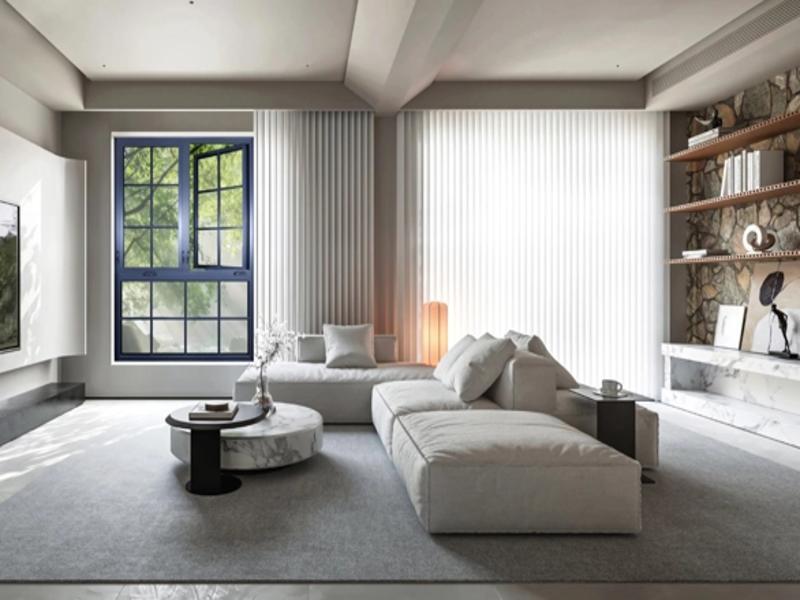
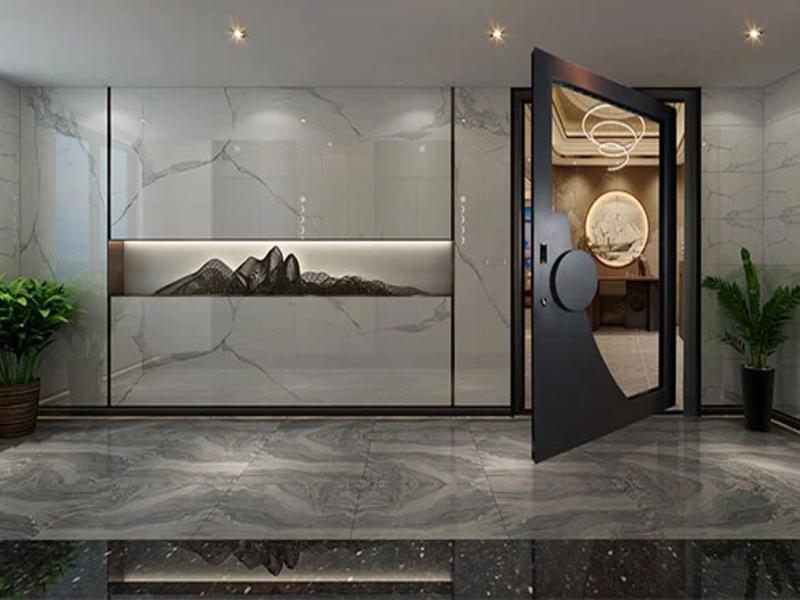
The structural design of corporate offices, premium residential towers, and hospitality centers has shifted permanently toward light-filled envelopes that prioritize thermal resistance and minimalist aesthetics. As architectural spaces evolve, the traditional heavy concrete facade is increasingly replaced by lightweight, high-performance building envelopes. Achieving a seamless combination of structural safety, climate control, and expansive views requires an engineered system that detaches structural load-bearing requirements from the exterior skin.
Investing in a premium glass curtain wall system allows developers to create landmark properties that catch the eye while protecting the building from the elements. This comprehensive guide outlines the technical mechanics, structural variations, and core performance criteria needed to select the ideal system for your next large-scale project.
A glass curtain wall is a non-structural exterior building facade engineered from lightweight aluminum profiles containing infills of glass, metal panels, or thin stone. Because it carries no dead load weight from the building itself, the entire system is anchored back to the concrete floor slabs or structural columns of the property. Its primary engineering duty is to resist wind forces, absorb thermal expansion, deflect rainwater, and block air infiltration, maintaining a highly secure, weather-tight building envelope.
When integrated properly into architectural blueprints, these assemblies achieve large-scale lighting and structural transparency that makes indoor spaces feel significantly more open, vibrant, and bright. Beyond basic spatial utility, a glass curtain wall elevates the overall design quality and long-term market value of the building. By transferring external wind loads directly back to the building framework, these engineered walls allow for towering glass installations that remain highly durable against extreme environmental stress over decades of service.
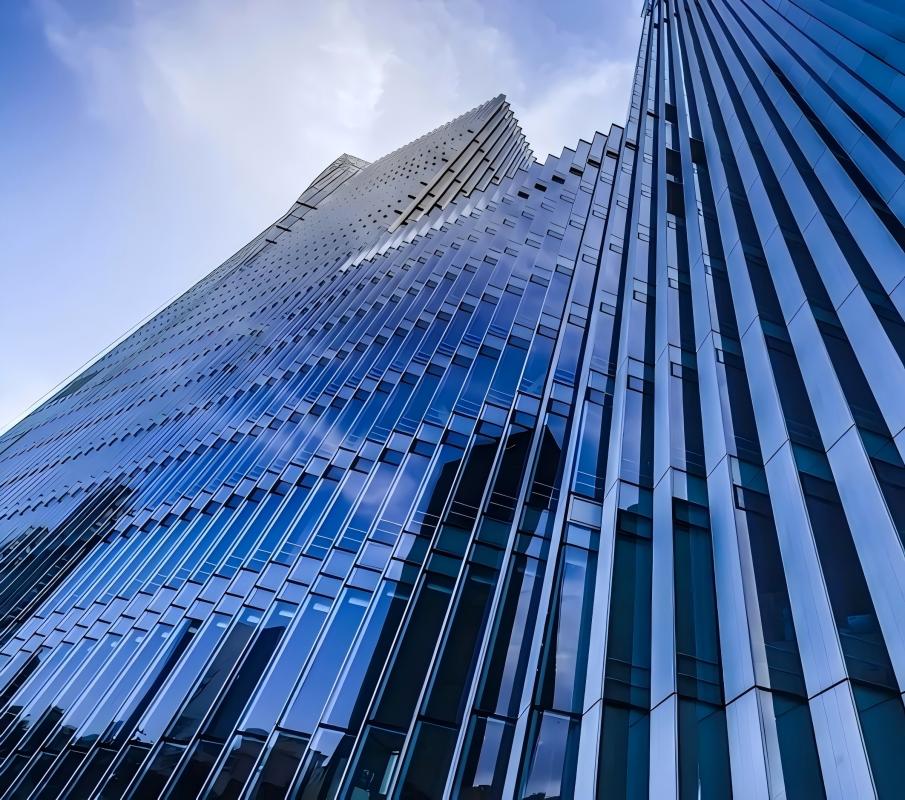
The visual appearance and mechanical sealing strategy of a façade system depend on its structural framing method. Architects generally categorize these envelopes based on how the aluminum mullions and transoms secure the glass panels.
Exposed Frame Systems: In a traditional exposed assembly, the aluminum framework is visible from both the interior and exterior of the building. The glass panels are set into the frame and secured with pressure plates and continuous exterior snap-on caps, creating defined geometric lines across the facade. This system provides high mechanical fastening strength and excellent water drainage, making it a standard choice for high-rise commercial structures.
Concealed Frame Systems: Also known as structural silicone glazing, a concealed frame setup utilizes high-strength structural adhesives to bond the glass units directly to the hidden aluminum profile grid. From the outside, the metal framework is entirely hidden, creating an uninterrupted, sleek glass surface. This configuration delivers ultimate minimalist aesthetics, reduces dirt accumulation on the facade, and minimizes the exterior surface area prone to localized thermal bridging.
To assist your procurement and engineering teams in selecting the appropriate installation method, the mechanical and design properties of the glass curtain wall are compared in the matrix below:
| Structural Design Variable | Exposed Frame | Concealed Frame |
|---|---|---|
| Exterior Aesthetic Style | Defined grid pattern with visible aluminum caps | Continuous, sleek, uninterrupted glass wall surface |
| Glass Retention Method | Mechanical pressure plates and snap-on covers | High-strength structural silicone glazing adhesives |
| Water Drainage Management | Integrated internal mullion weep holes and gutters | Advanced continuous perimeter sealants and pressure joints |
| Structural Maintenance Needs | Standard inspection of exterior metal capping profiles | Periodic ultrasonic testing of structural adhesive bonds |
| Ideal Architectural Context | High-rise office towers and heavy wind load zones | Contemporary flagship museums and high-end corporate facades |
Integrating a heavy-duty commercial curtain wall system is standard practice across major architectural categories where large-scale glazing is required. High-rise corporate offices and financial centers utilize these installations to create bright, motivating work environments that leverage daylight harvesting to lower interior energy overhead. Similarly, luxury hospitality developments and high-end residential penthouses install expansive glazed envelopes to offer occupants panoramic views while maintaining acoustic isolation from surrounding urban traffic.
Beyond standard vertical towers, retail flagship stores, public transport terminals, and educational medical complexes use custom glazed facades to balance interior thermal stability with high pedestrian visibility. For complex projects requiring functional ventilation alongside expansive fixed glazing, designers frequently incorporate a specialized commercial curtain wall variant known as the curtain window wall design. This engineering approach blends operable window vents directly into the broader fixed frame layout, providing natural fresh airflow without disrupting the clean, continuous aesthetic of the building exterior.
Upgrading a development project to feature a premium glass curtain wall provides profound structural, financial, and environmental benefits:
Advanced Natural Daylight Harvesting: Flooding the interior layout with non-glare natural sunlight drastically reduces dependence on artificial interior lighting systems, enhancing occupant wellness while cutting building operational costs.
Superior Structural Load Distribution: By deflecting high wind pressures and channeling those forces directly back to the concrete floor slabs, the system protects the interior structure from wind-induced sway and movement.
High-End Property Valuation: Buildings featuring precision-engineered glass envelopes command higher commercial lease rates and attract premier long-term corporate tenants due to their iconic architectural profile.
Design and Layout Flexibility: Whether your development layout demands a sharp modern minimalist style or a classical elegant style, a modern glass curtain wall can be customized to adapt to distinct geometric constraints.
A successful commercial curtain wall installation requires specifying the appropriate components based on real-world environmental stress and structural safety regulations. When budgeting your project materials, three primary technical dimensions must be calculated:
The choice of glass dictates the safety profile of the entire installation. Architects must specify certified safety glass, such as fully tempered or laminated variants. Tempered glass features high mechanical strength and breaks into small, obtuse-angled particles that reduce the risk of injury. Laminated glass incorporates a high-strength internal polymer interlayer that binds the glass panes together; even if the glass ruptures under severe impact, the shards remain safely anchored to the film interlayer, preserving the building envelope and providing excellent safety for all commercial curtain wall applications.
To control thermal transfer through large glazed surfaces, projects should utilize double or triple hollow insulated glass units (IGUs) enhanced with low-emissivity (Low-E) coatings. Hollow insulated glass features great thermal insulation performance and can effectively block the transfer of heat. Low-E glass features a microscopically thin metal oxide layer that reflects far-infrared rays, reducing indoor and outdoor heat exchange and improving the energy-saving effect of buildings. Top glass curtain wall manufacturers recommend these advanced glazing types for projects with high insulation requirements, such as residential and office towers.
For structures located in high-noise urban environments or adjacent to major traffic arteries, acoustic insulation is vital. Combining hollow glass chambers with varying thicknesses of laminated acoustic glass creates a multi-layered acoustic dampening barrier that breaks down sound waves. For buildings located near traffic arteries, custom solutions from a reliable glass curtain wall supplier deliver optimal sound insulation performance. For a comprehensive look at project specifications or to match finishes to your architectural blueprint, you can request an itemized profile analysis through our Get a Quote page.
Executing a flawless glass curtain wall installation depends entirely on the technical capacity, automated precision, and quality control of your supplier. Sourcing your components from an established AGWA Gold Member ensures that every structural extrusion, pressure plate, and sealing gasket is fabricated to tight sub-millimeter tolerances using high-precision European production equipment. Top glass curtain wall manufacturers manage the entire process under one roof—from initial structural wind load calculations and profile milling to automated assembly and rigorous weather-testing—eliminating supply chain vulnerabilities.
Operating a dual manufacturing network anchored by a 50,000㎡ digital intelligent production base yielding a 300,000㎡ annual output, JOLONG delivers highly efficient, long-lasting facade solutions for your property. Working directly with a verified factory allows you to customize specialized hardware components, meet stringent regional green building certifications, and secure a 7-year structural warranty alongside full compliance with AS/NZS 2047, AS/NZS 1288, and NCC standards. To explore our 40+ system solutions firsthand or discuss structural engineering requirements, clients can visit our 3,500㎡ flagship showroom in Adelaide (St. Marys) or connect with our local service centres across Hawthorn (VIC), Granville (NSW), Underwood (QLD), and Chicago (USA) for seamless project delivery.
.jpg "/uploads/image/2026/06/04/what-is-glass-curtain-wall-types-applications-benefits(1).jpg")
A precision-engineered glass curtain wall is a transformative investment that defines the energy footprint, structural safety, and market presence of a modern commercial property. By understanding the mechanical differences between concealed and exposed framing, selecting safety-certified glass, and prioritizing multi-cavity thermal insulation, procurement teams protect their projects from long-term environmental liability. Aligning your development pipeline with experienced glass curtain wall manufacturers guarantees an optimized building envelope that delivers striking architectural beauty and structural durability for decades to come.
A glass curtain wall is installed on the outside of the building structure and bypasses the concrete floor slabs to create a continuous glass face, whereas a window wall rests entirely between the floor slabs, leaving the slab edges exposed.
The aluminum framing grid is engineered with specialized expansion joints and flexible anchoring brackets that allow the facade to move independently from the main concrete framework without cracking the glass panels.
Low-E coatings reflect long-wave infrared heat energy while allowing visible light to pass through, keeping external summer heat out and saving significant HVAC energy overhead.
Yes, by combining heavy-duty reinforced aluminum profiles with thick, multi-layered laminated safety glass, manufacturers can certify systems to withstand extreme wind pressures and flying debris impacts.
Property managers should conduct periodic inspections of the exterior perimeter sealants, structural silicone joints, and internal weeps or drainage channels to clear debris and prevent water accumulation.
Professional manufacturers utilize automated, vertically integrated powder coating or anodizing lines to process all aluminum profiles in strictly controlled batches, guaranteeing absolute color matching and long-term UV resistance.