When you are planning a renovation or building a new home, the quote for aluminium fabrication sliding windows can sometimes cause a moment of hesitation. It's no secret: quality aluminium usually comes with a higher upfront price tag than uPVC (unplasticized polyvinyl chloride).
This creates a common homeowner dilemma: "I want to save money on my build, but I don't want to be replacing these windows again in 10 years."
In 2026, the smart money isn't looking at "Sticker Price"—it's looking at "Lifetime Cost." To make an informed decision, we need to compare Aluminium Frame Sliding Glass Windows vs. uPVC through the lens of Return on Investment (ROI). Here is the honest breakdown of which material pays you back over time.
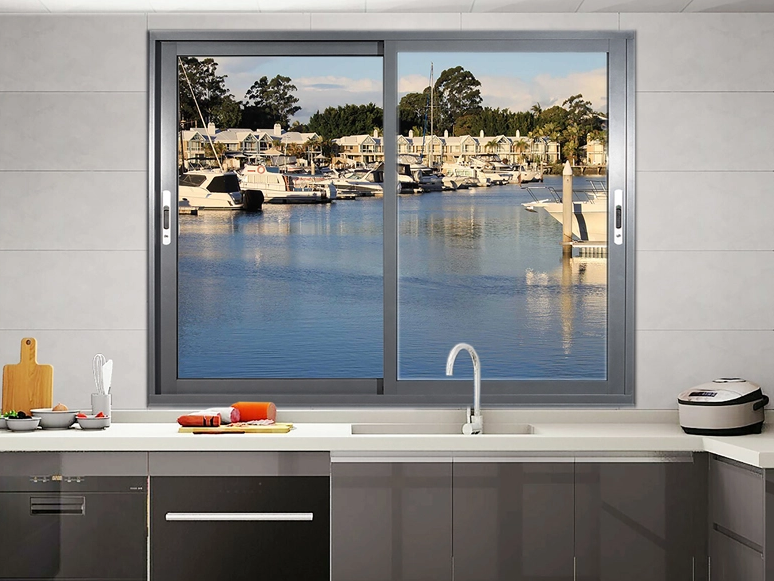
The biggest factor in ROI is durability. If you buy a cheaper window but have to replace it twice as often, it isn't actually cheaper.
The Reality of uPVC: uPVC is essentially a high-strength plastic. While effective, it has a natural weakness: UV radiation. In harsh climates (especially the intense Australian or US sun), uPVC can prone to discoloration (yellowing) and becoming brittle over time. The average lifespan rests around 20–25 years before structural or aesthetic failure begins.
The Aluminium Advantage: Aluminium is a stable structural metal. It does not become brittle. When high-quality fabrication techniques are used—specifically, electrostatic powder coating—the finish is chemically bonded to the metal.
At Jolong, for example, our powder coating comes with a 7-10 year guarantee against fading, but the structural integrity of the frame often lasts 45+ years. When you amortize the cost over four decades, the aluminium frame sliding window becomes a significantly cheaper option per year.
A common FAQ we receive is: "Isn't aluminium a bad insulator compared to plastic?"
Historically, yes. But modern manufacturing has solved this—something many leading China window and door manufacturers have invested heavily in through advanced thermal-break systems.
If you are looking for the best ROI windows in Australia or globally, you need to look for Thermal Break Technology. Standard aluminium conducts heat, but a "thermally broken" frame features a reinforced barrier between the interior and exterior frame.
We utilize a Multi-chamber PA66 Nylon Thermal Break. Think of PA66 as a hard plastic bridge inside the metal frame that stops heat (or cold) from crossing over.
The ROI Impact: By choosing a thermally broken system like the Jolong 100 Series, you get the structural strength of metal with insulation values that rival uPVC. This leads to lower monthly energy bills, slowly paying back the cost of the window difference.
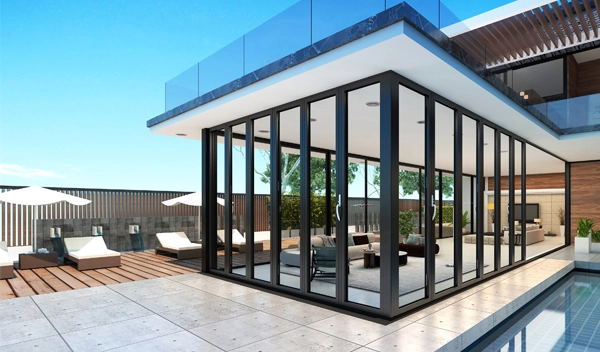
ROI isn't just about saving money; it's about making money when you sell. Real estate trends in 2026 heavily favor "Indoor-Outdoor Living"—huge expanses of glass that connect the living room to the patio.
uPVC Limitations: Because plastic is weaker than metal, uPVC frames must be thicker (chunkier) to hold large panes of heavy glass. This blocks the view and looks "dated" on modern homes.
Aluminium Aesthetics: Aluminium is incredibly strong, allowing for ultra-slim profiles like the Jolong XF126 Series. These frames can support massive floor-to-ceiling glass while maintaining a minimalist look.
Homes with slim, modern aluminium glass sliding windows tend to command a higher valuation because they align with high-end architectural trends.
Low maintenance is a key part of ROI. You don't want to spend your weekends sanding, painting, or fixing stuck tracks.
While both materials are relatively low maintenance, aluminium fabrication sliding windows offer superior resistance to mechanical wear. The ROI killer for windows is often water damage. If a window leaks, it ruins your drywall and flooring.
This is where expert fabrication E-E-A-T (Expertise) matters:
Corner Strength: Cheap windows use screwed corners that can loosen. High-ROI windows use Injection Molding Corner Design, which seals the unit tightly.
Sealing: We use Spongy composite sealing strips and Siliconized pile weatherstrips (EPDM) rather than basic rubber. These resist drying out, keeping water and wind outside where they belong.
Drainage: Look for systems with engineered waterproofing drip boards to channel heavy rain away from your interior.
If you are skimming for a quick answer, here is how the two materials stack up:
| Feature | uPVC Windows | Aluminium Frame Sliding Windows | Winner |
|---|---|---|---|
| Initial Cost | Low - Medium | Medium - High | uPVC |
| Lifespan | 20–25 Years | 45+ Years | Aluminium |
| Aesthetics | Bulky / Standard | Ultra-Slim / Premium | Aluminium |
| Insulation | Excellent (Naturally) | Excellent (with PA66 Thermal Break) | Tie |
| Maintenance | Low (Can warp/yellow) | Very Low (High strength) | Aluminium |
| Resale Value | Neutral | High (Modern Appeal) | Aluminium |
The "better" ROI depends entirely on your timeline.
Choose uPVC if: You are working with a strict initial budget, you are flipping a house quickly, or you do not plan to live in the property for more than 5–10 years.
Choose Aluminium Frame Sliding Glass Windows if: You are building your "forever home," you live in a coastal area requiring salt resistance, or you want to maximize the resale value of the property with large, modern viewing areas.
Ready to calculate your long-term savings? Don't guess on quality. Explore the Jolong 100 and 102 Series to see how high-grade fabrication and PA66 thermal breaks can protect your investment.
1. Do aluminium windows add more value to a house than uPVC? Yes, aluminium windows generally add more value due to their modern aesthetic, slimmer profiles, and longer lifespan (45+ years). Modern buyers view slim aluminium frames as a premium feature, whereas uPVC is often seen as a budget standard.
2. Is thermally broken aluminium as efficient as uPVC? Yes. While standard aluminium conducts heat, aluminium frames equipped with PA66 nylon thermal breaks (like the Jolong 100 Series) break the conductive bridge. This offers insulation values that are competitive with, and often exceed, standard residential windows, including uPVC.
3. Will aluminium frames rust near the ocean? No, aluminium does not "rust" (which is specific to iron oxide). However, untreated aluminium can corrode. High-quality aluminium fabrication utilizes electrostatic powder coating or anodizing, which seals the metal against salt spray, making it superior to uPVC, which can suffer from UV degradation and discoloration in exposed coastal zones.