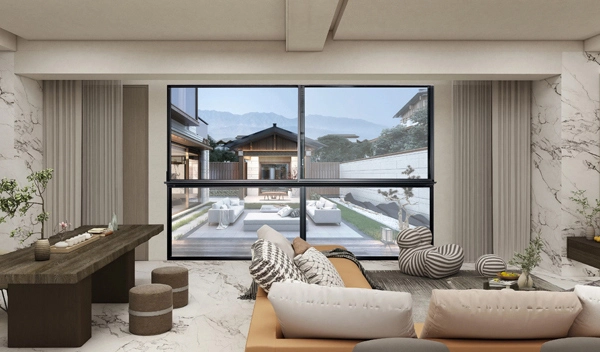
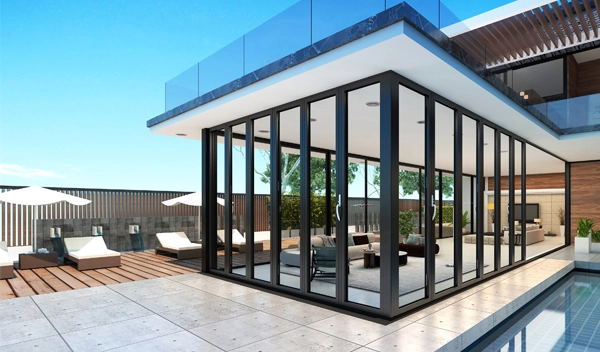
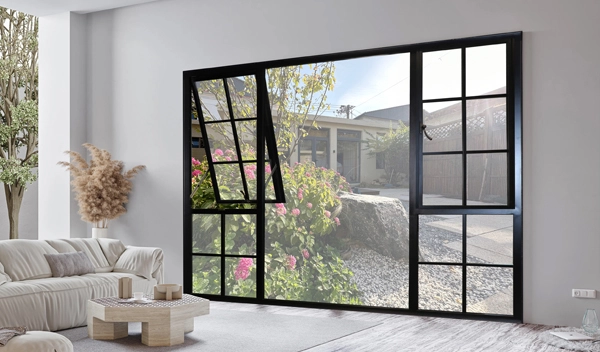
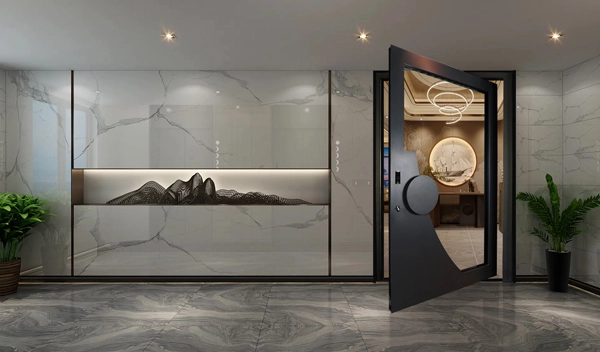
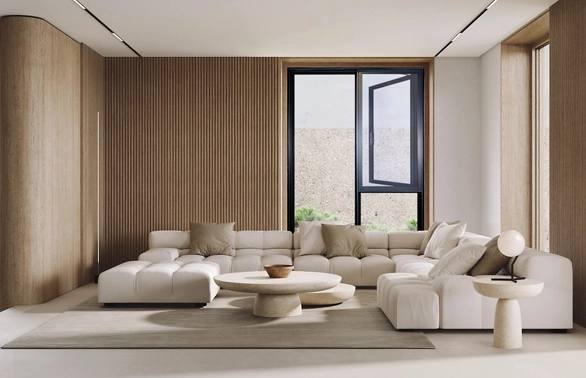
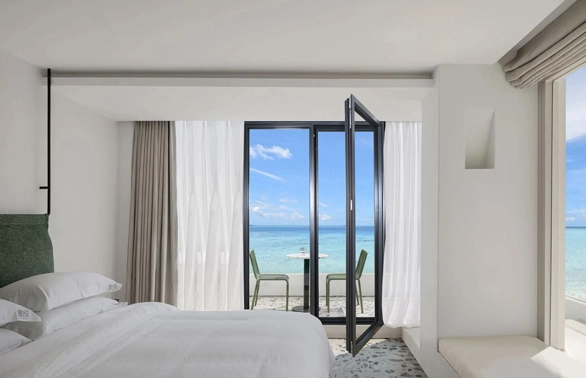
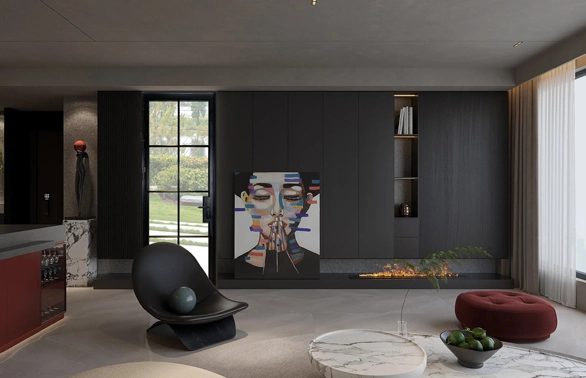
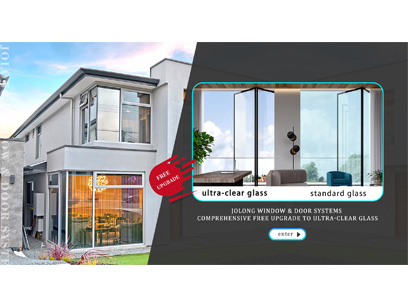
A window is often the first element people notice when looking at a building, but its real value goes far beyond appearance. Behind every clear glass surface and slim profile is a carefully engineered system that affects energy efficiency, structural stability, indoor comfort, and long-term building performance. Modern architecture no longer treats windows as simple openings in a wall; they are becoming an important part of how buildings interact with their surroundings.
This is why the design of aluminum windows has evolved significantly in recent years. While the frame remains a visible feature, high-performance window systems depend on much more than the external appearance. The quality of aluminium alloy profiles, surface treatments, insulation strategies, and structural design all determine how effectively a window performs throughout its service life.
Among modern building solutions, aluminum alloy windows have gained popularity because they combine strength, durability, design flexibility, and efficient manufacturing possibilities. For architects, developers, and property owners looking for reliable window solutions, understanding the engineering behind window design is essential. Exploring different configurations and applications through Jolong’s aluminum window and door solutions can help projects identify suitable options based on performance and architectural requirements.
When people evaluate aluminum windows, the visible frame is usually the first thing they consider. However, a high-quality window system is not defined only by its external shape. The overall performance depends on how different components work together, including the profile structure, glass selection, sealing system, hardware, and finishing technology.
A well-designed aluminum window must balance several requirements at the same time. It needs to provide enough structural strength to support the glass panel, maintain stable operation after repeated use, resist environmental exposure, and contribute to a comfortable indoor environment.
This is where professional engineering becomes important. The design of aluminum alloy windows involves careful consideration of profile dimensions, internal reinforcement structures, connection methods, and performance requirements. A visually attractive frame is only the starting point; the internal design determines whether the window can deliver reliable performance over time.
Modern architectural projects also place increasing importance on flexibility. Buildings may require large glass areas, narrow sightlines, different opening styles, and customized appearances. Advanced aluminum windows are designed to meet these demands while maintaining the strength and durability expected from aluminium materials.
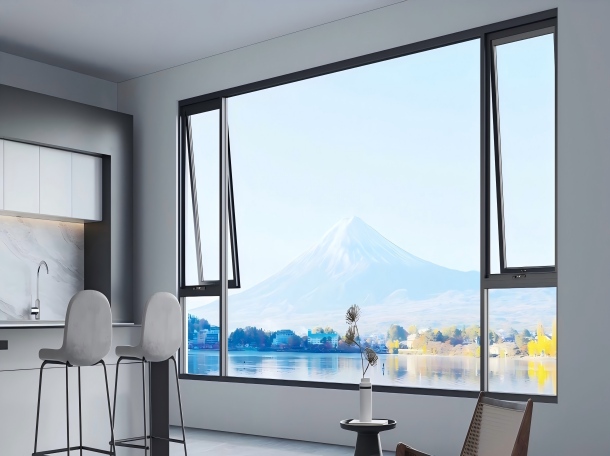
The aluminium profile is the core structural element of any window system. It provides the framework that supports the glass, connects with hardware, and transfers loads throughout the window structure. For this reason, the quality and design of aluminium alloy profiles directly influence the performance of aluminum alloy windows.
Unlike simple metal frames, modern aluminium profiles are engineered with carefully designed internal chambers and reinforcement structures. These designs improve rigidity while keeping the overall weight of the window system under control. The result is a stronger frame that can support larger glass panels while maintaining a slim and modern appearance.
The strength of aluminium also contributes to long-term durability. Aluminium naturally offers excellent resistance to corrosion and environmental changes, making it suitable for residential, commercial, and industrial applications. Properly engineered aluminum windows can maintain structural stability even when exposed to changing weather conditions.
Another advantage of aluminium alloy profiles is design flexibility. Manufacturers can develop different profile shapes, thicknesses, and configurations to meet various architectural requirements. Whether a project requires minimalist façades, large panoramic windows, or efficient ventilation solutions, the profile design plays an important role in achieving the desired result.
The performance of aluminum alloy windows is therefore not determined only by the material itself, but by how effectively the aluminium profile is engineered as part of a complete window system.
Window frames have a direct influence on indoor comfort because they form an important barrier between the interior and exterior environments. While aluminium is known for its strength and durability, traditional aluminium frames can transfer heat efficiently if they are not designed with appropriate thermal considerations.
Modern aluminum windows address this challenge through improved structural design, advanced profile configurations, and optimized sealing systems. These approaches help reduce unwanted heat transfer and support more stable indoor temperatures.
A well-designed window frame can help buildings maintain better thermal performance throughout different seasons. During hot weather, efficient frame structures help limit excessive heat entering the building. In colder conditions, they help reduce heat loss and support more consistent indoor comfort.
The relationship between frame design and indoor environment is becoming increasingly important as buildings focus on energy efficiency and occupant experience. High-performance aluminum alloy windows are not only architectural elements; they are part of the overall building envelope that influences how efficiently a building operates.
For modern residential and commercial projects, choosing the right window structure requires considering climate conditions, building orientation, glazing options, and expected performance goals. These factors determine how effectively aluminum windows contribute to long-term comfort and efficiency.
The appearance of a window is an important part of architectural design, but surface finishing is not only about aesthetics. For aluminum windows, the quality of the finish directly influences durability, weather resistance, and long-term visual performance.
Aluminium naturally forms a protective oxide layer, which provides a certain level of corrosion resistance. However, advanced finishing technologies further improve the ability of aluminum alloy windows to withstand environmental exposure, including sunlight, moisture, and temperature changes.
High-quality surface treatments help maintain the original appearance of window profiles while reducing the impact of daily wear and outdoor conditions. This is particularly important for buildings located in areas with strong sunlight, coastal environments, or frequent weather changes.
The finish selection also affects architectural expression. Modern projects often require windows that match different design styles, from minimalist residential buildings to large commercial façades. A well-developed finishing process allows aluminum windows to achieve different colors, textures, and visual effects while maintaining structural reliability.
For this reason, surface treatment should be considered an essential part of window engineering rather than a final decorative step. The combination of strong aluminium profiles and durable finishes enables aluminum alloy windows to maintain both performance and appearance throughout their service life.
Modern architecture increasingly favors clean lines, large glass surfaces, and minimalist visual styles. However, achieving this appearance requires more than reducing visible frame size. Behind every slim-looking window system is a carefully engineered structure designed to maintain strength and stability.
The challenge for designers is finding the right balance between appearance and performance. Extremely narrow frames may create attractive visual effects, but they must still provide enough strength to support glass loads, resist environmental forces, and maintain reliable operation.
This is where advanced aluminum alloy windows demonstrate their advantages. Aluminium provides a strong yet lightweight foundation, allowing designers to create elegant profiles without compromising structural requirements. The material’s strength-to-weight ratio makes it suitable for projects that require both large openings and refined aesthetics.
Modern aluminum windows can also integrate different functional requirements, such as improved sealing, ventilation options, and enhanced operating mechanisms. These features allow architects to achieve minimalist designs while ensuring that the windows continue to perform effectively in real-world conditions.
The result is a new generation of window systems that are not only visually appealing but also engineered for long-term building performance.
Not all aluminum windows deliver the same level of performance. The difference between ordinary systems and high-performance solutions lies in the details of design, material selection, manufacturing precision, and system integration.
A high-performance window system begins with carefully engineered aluminium profiles. The profile structure must provide sufficient strength while supporting other performance requirements, including insulation, sealing, and durability. The quality of hardware components and installation methods also influences how reliably the window operates over time.
Compared with basic systems, advanced aluminum alloy windows are designed as complete solutions rather than individual components. The frame, glass, seals, and hardware work together to create a balanced system that supports energy efficiency, comfort, and long-term reliability.
| Performance Factor | Ordinary Aluminum Window Systems | High-Performance Aluminum Windows |
|---|---|---|
| Profile structure | Basic aluminium frame design | Engineered profiles with optimized structural performance |
| Durability | Depends mainly on material quality | Enhanced through advanced finishes and integrated design |
| Thermal performance | Limited by basic frame construction | Improved through optimized profiles and system design |
| Design flexibility | Suitable for conventional applications | Supports modern architectural concepts and larger openings |
| Long-term operation | Performance may vary depending on components | Designed for stable performance through coordinated systems |
For architects, developers, and property owners, selecting high-performance aluminum windows means evaluating the entire system rather than focusing on one visible feature. A well-designed window should provide reliable operation, maintain its appearance, and contribute positively to the building environment.
Jolong focuses on providing window solutions that combine practical engineering with modern architectural requirements. By considering different application scenarios and performance expectations, Jolong helps customers identify suitable aluminum alloy windows for residential, commercial, and architectural projects.
The role of windows in modern buildings has expanded far beyond providing natural light and ventilation. Today, window systems influence energy performance, structural stability, indoor comfort, and architectural appearance.
High-quality aluminum alloy windows demonstrate how thoughtful engineering can transform a simple building component into an important part of overall building performance. From aluminium profile design and surface finishing to thermal considerations and structural balance, every detail contributes to the final result.
Compared with ordinary systems, advanced aluminum windows provide greater flexibility for modern architectural requirements while maintaining durability and reliability. Choosing the right window system requires evaluating materials, design features, application conditions, and long-term performance goals.
For projects seeking professional guidance on suitable window solutions, Jolong’s window solution specialists can provide further information based on specific architectural requirements.
As buildings continue to pursue higher standards of efficiency and design quality, well-engineered aluminum windows will continue to play an important role in shaping comfortable, durable, and visually appealing spaces.
Aluminum alloy windows are window systems made from aluminium alloy profiles designed to provide strength, durability, and design flexibility for residential and commercial buildings.
Aluminum windows are popular because they offer excellent strength, corrosion resistance, low maintenance requirements, and flexible architectural designs.
Aluminium profiles determine the structural strength, stability, and overall performance of a window system by supporting glass panels and other components.
Yes. Properly engineered aluminum alloy windows can support larger glass areas while maintaining structural reliability and modern appearance.
With quality materials, proper finishing, and correct installation, aluminum windows can provide long-term performance in various building environments.
Important factors include profile design, finish quality, thermal performance, hardware selection, installation requirements, and the specific needs of the building project.